
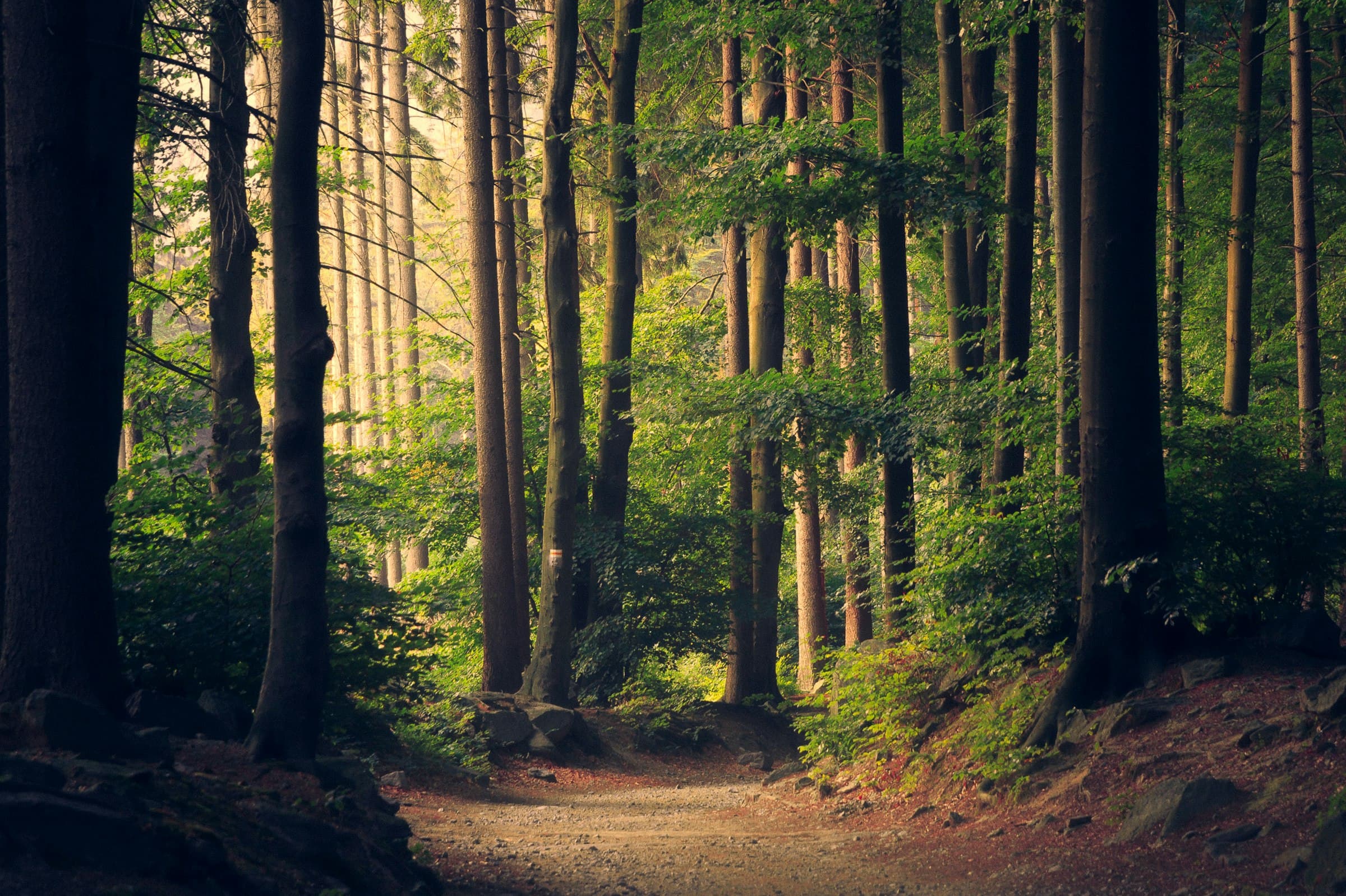
An independent reference for Kansas homeowners
The Practical Guide to Kansas Trees
Identify what’s growing in your yard, figure out what’s wrong with it, know what to do after a storm — and when it’s time to call a professional. Written for Kansas soil, Kansas wind, and Kansas weather, from Wichita to the state line.
- Kansas-specific — soil, wind, and storms included
- Field-informed by working Kansas tree professionals
- Independent and educational — nothing to sell you
Start here
Start with your goal
Six hubs cover nearly every tree question a Kansas property owner runs into. Pick the one that matches yours.
Identify a Kansas tree
Kansas Tree Identification
A searchable directory of the trees you actually see in Kansas yards, parks, windbreaks, and fence lines. Filter by leaf shape, bark, seed, size, or fall color, then work the four-question key that names almost anything growing in the state.
Explore the hubFigure out what's wrong
Tree Problems in Kansas
Start with what you can see — yellow leaves, a bare top, bark on the ground, mushrooms at the base, a new lean — and work toward likely causes, how urgent it is, what you can safely check yourself, and when an on-site arborist assessment is the only honest answer.
Explore the hubLook after a healthy tree
Tree Care
Practical maintenance for trees you already have. Four jobs cover almost all of it — water, mulch, prune, protect — and the damage in Kansas yards comes far more often from overdoing them than from neglect.
Explore the hubLook up a pest or disease
Kansas Pest & Disease Library
The insects, diseases, and environmental stresses that actually damage Kansas trees — how to recognize them, when they're active, which species they hit, and what treatment realistically achieves.
Explore the hubHandle storm damage safely
Storm Safety
Kansas wind, hail, ice, and tornadoes break trees in predictable ways. Prepare for the season that is coming, read damage from a safe distance, work out whether a tree can be saved, document it properly, and know which call to make first.
Explore the hubChoose and place a tree
Planting Guides
Right tree, right place — for Kansas clay, alkaline soil, wind, drought, and real yard sizes. How far a tree belongs from the house, drive, sewer line and overhead wires, what to plant in difficult ground, which species to avoid, when to plant, and how deep.
Explore the hubTroubleshoot
What are you seeing?
You do not need the name of a disease to get started. Begin with the part of the tree that looks wrong and work toward likely causes, how urgent it is, and what to do next.
- Leaf problemsColor, spots, curl, chewing, or crisp edges7 guides
- Bark and trunk damagePeeling, cracks, holes, ooze, or a cavity5 guides
- Branch problemsDieback, thinning, or limbs coming down5 guides
- Root problemsSurface roots, heaving soil, leaning, or fungus at the base3 guides
The ones people ask about most
- Urgent
Cracks and splits in the trunk
A vertical split in the trunk, a crack running down out of a fork, or a seam that has opened along the stem — sometimes with sound or movement in the wind.
- Urgent
Hanging or broken limbs
A broken branch caught in the canopy, a limb hanging by a strip of bark, or a split at the point where a large limb joins the trunk.
- Urgent
A leaning tree
A tree tilting to one side, with soil cracked, mounded, or lifted on the side opposite the lean, or roots pulling out of the ground.
- Address soon
Dieback at the top
Bare or sparse branches at the very top of the crown while the lower canopy still looks reasonably full — the stag-headed silhouette.
- Address soon
Mushrooms or conks at the base
Mushrooms, shelf-like brackets, or dense clusters growing from the lower trunk, the root flare, surface roots, or the soil nearby.
- Address soon
Bark falling off
Bark lifting in strips, plates, or sheets — sometimes revealing smooth pale wood, sometimes sawdust and insect tunnels underneath.
- Address soon
Evergreen turning brown
Needles or scale foliage going tan, gray-green, purple-brown, or rust colored — on one side, from the bottom up, from the inside out, or all at once.
- Monitor
Yellow leaves
Foliage fading from green to yellow well before autumn — sometimes with the veins still standing out dark green, sometimes across the whole crown at once.
Three symptoms that shouldn't wait
Tree identification library
Know what's growing in your yard
Every profile is written for Kansas conditions — not generic national advice. These eight are the trees we get asked about most; the library covers 22 species and growing.
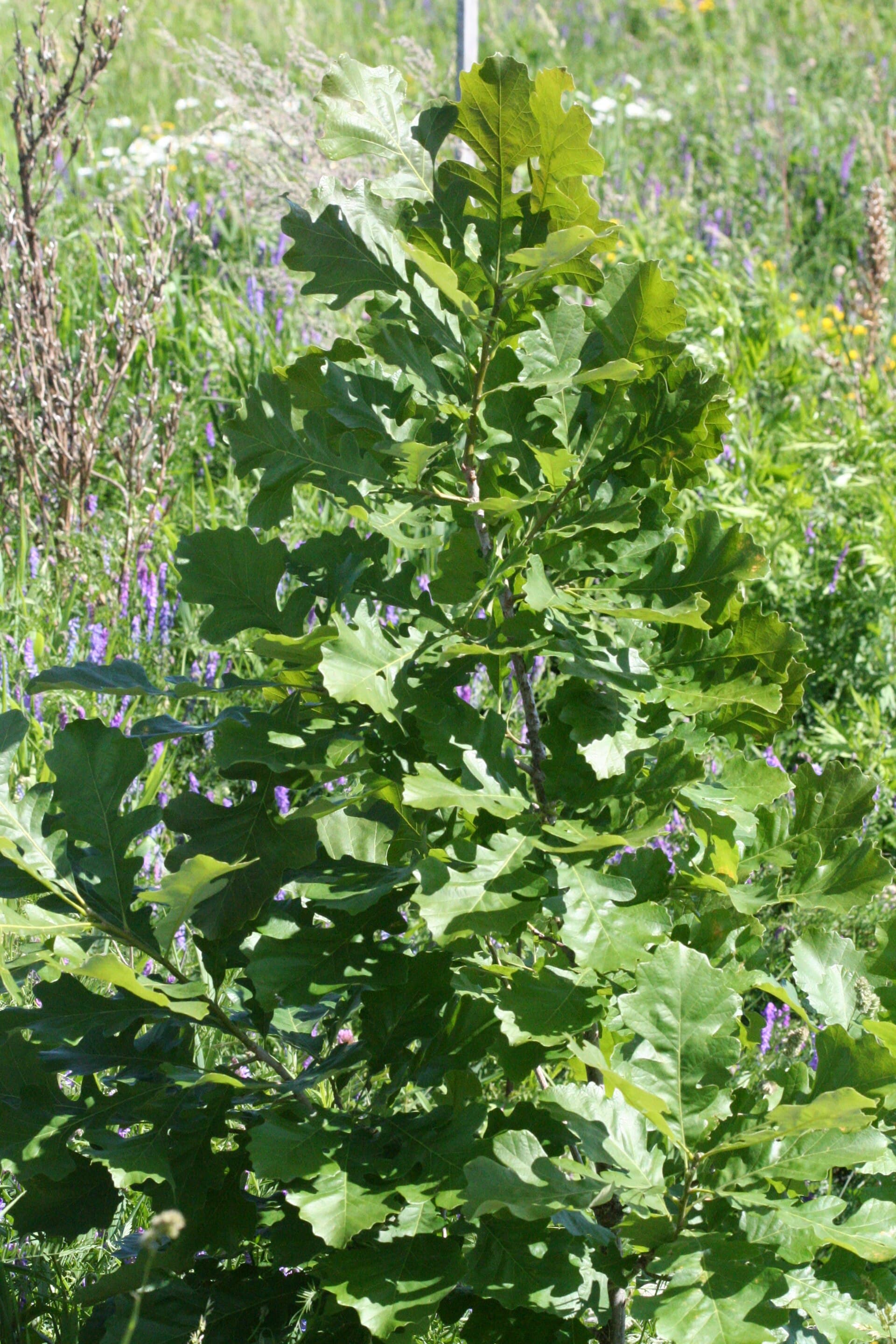
Bur Oak
Quercus macrocarpa
The workhorse shade tree of the Kansas prairie edge — deep-rooted, drought-tough, and built for wind. Slow to start, but a bur oak planted well can outlive everything else on the block.
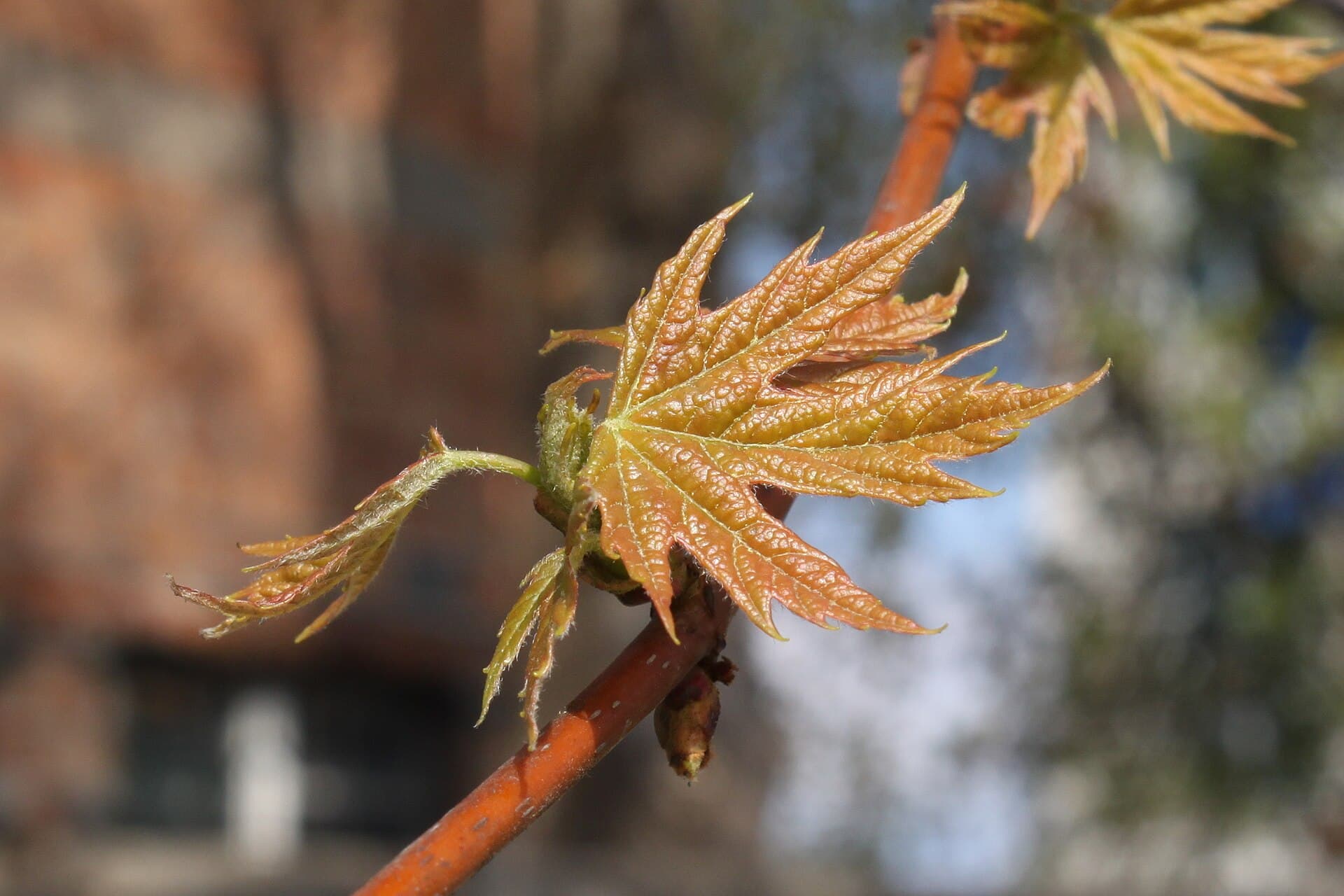
Silver Maple
Acer saccharinum
The fast shade tree planted across older Wichita neighborhoods — and the one tree services visit most after windstorms. Quick cooling shade up front; brittle wood, surface roots, and storm cleanup later.
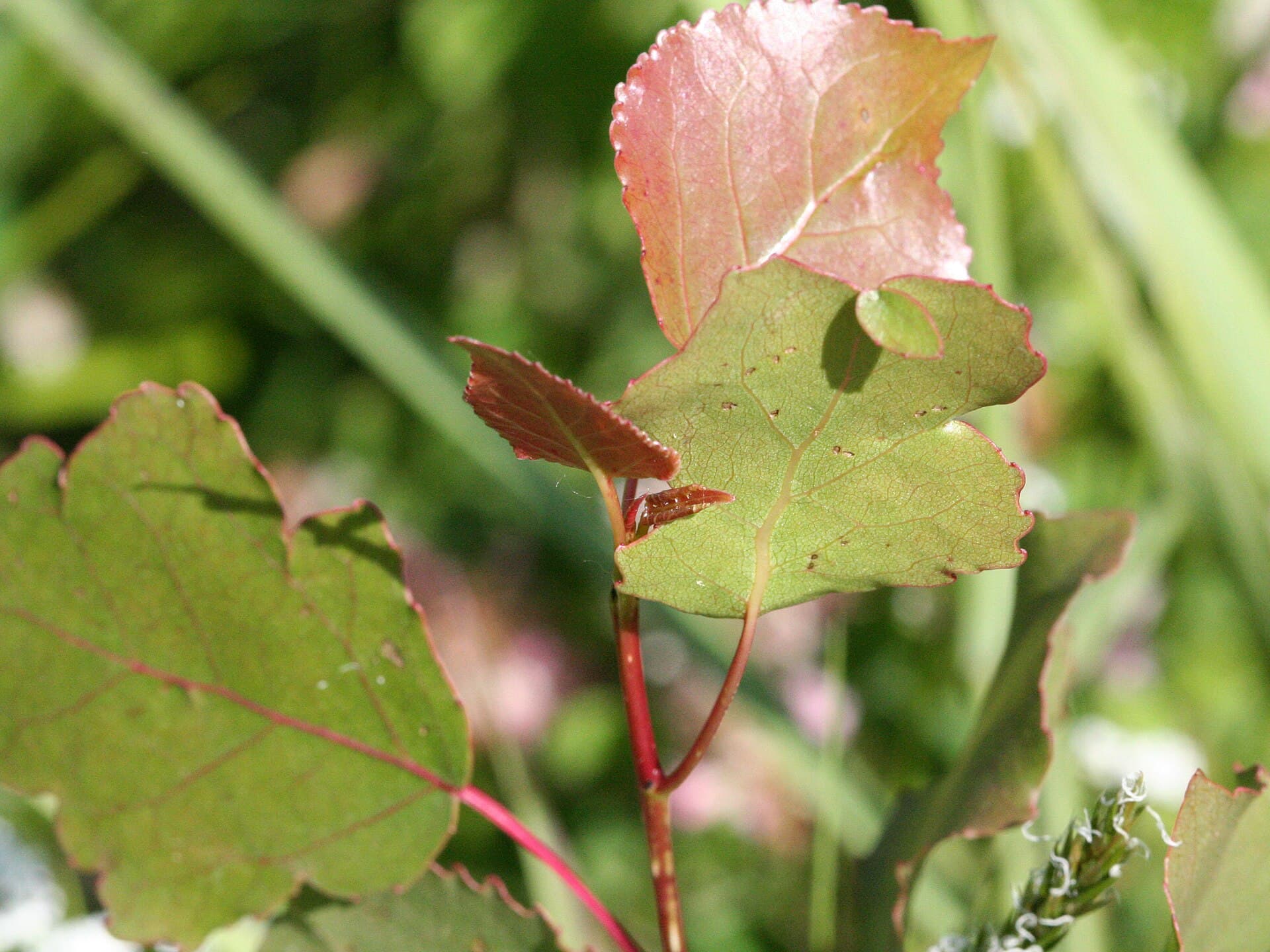
Eastern Cottonwood
Populus deltoides
The Kansas state tree, and the giant of our river bottoms — shimmering leaves, ninety feet of presence, and a June snowstorm of cotton. Magnificent in open ground; a liability crowding a house.
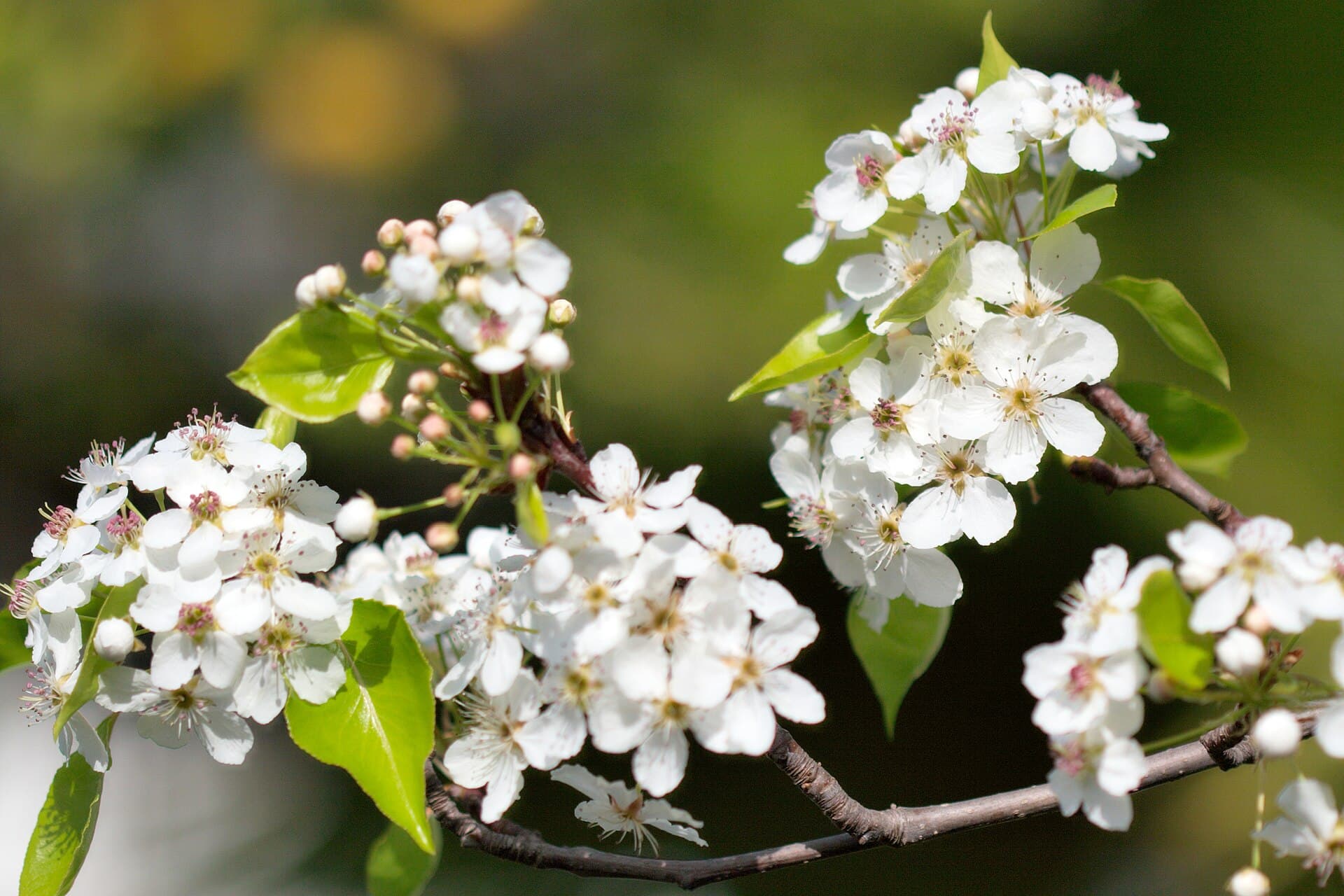
Bradford (Callery) Pear
Pyrus calleryana
The white-flowering subdivision tree of the 1990s and 2000s — uniform, showy, and structurally doomed. Tight branch angles make mature Bradfords split apart in Kansas wind, and wild callery seedlings are invading fence lines and pastures.
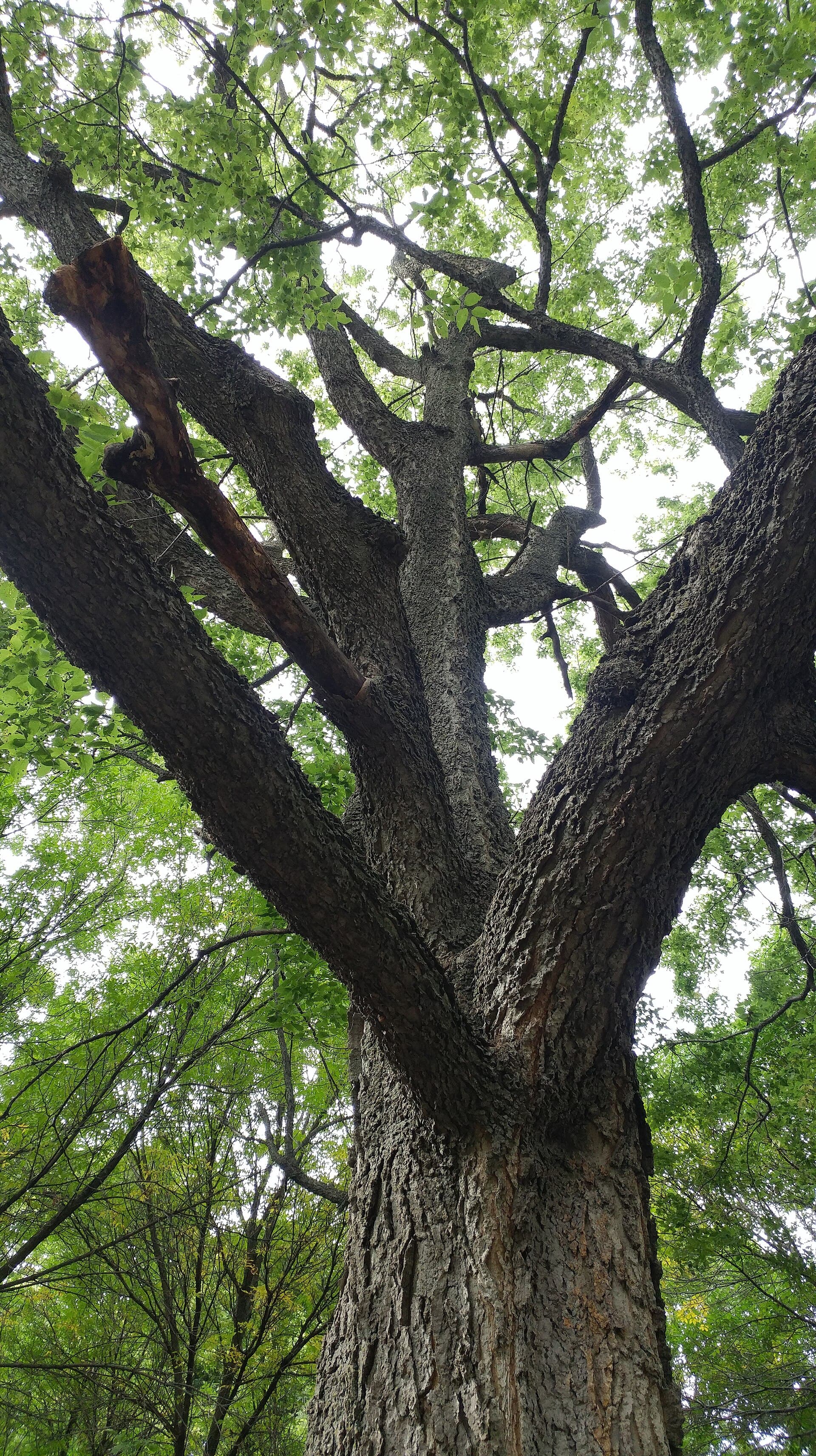
Common Hackberry
Celtis occidentalis
The unsung native that shrugs off everything Kansas throws at it — clay, drought, wind, ice, and city soil. Not glamorous, genuinely dependable.
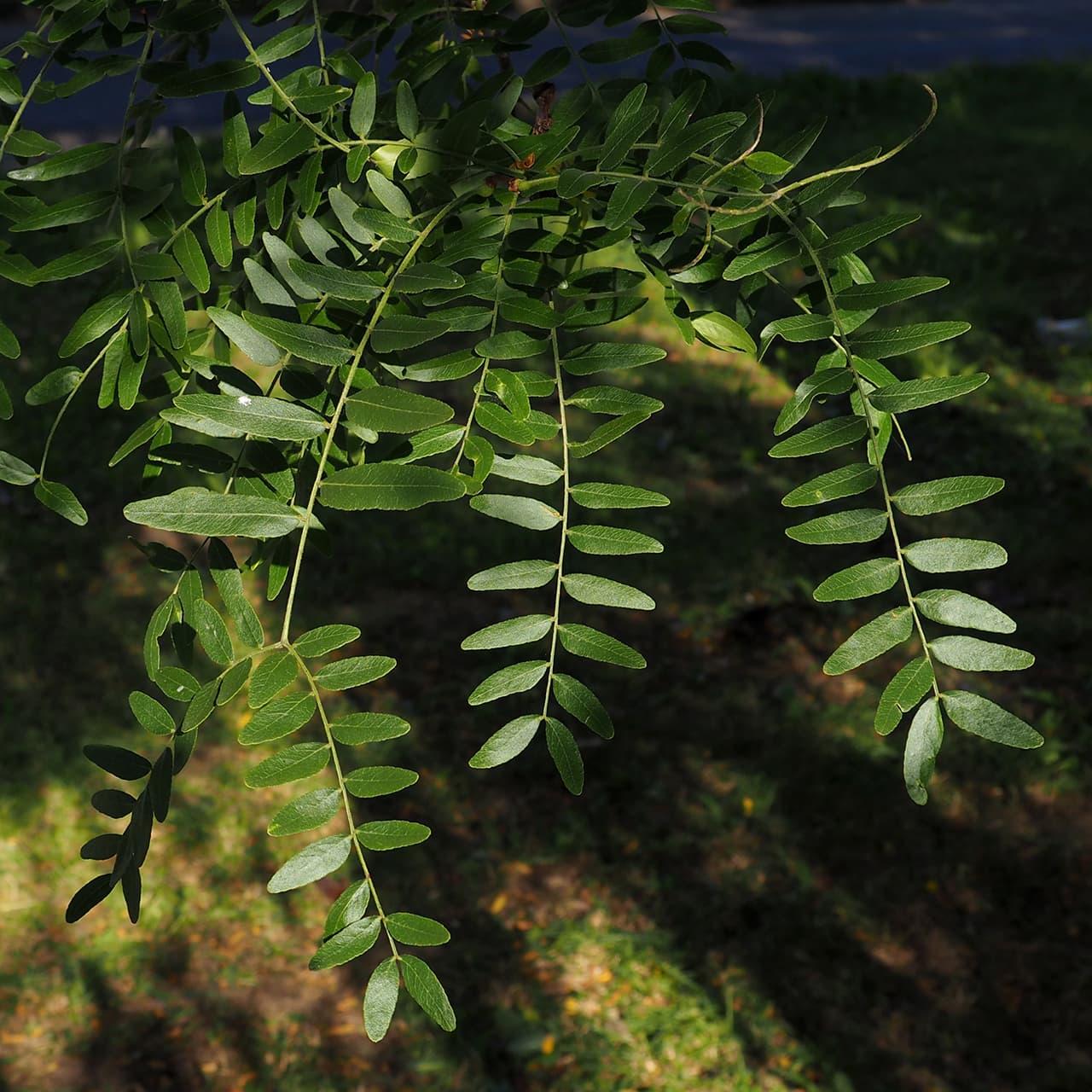
Honey Locust (thornless)
Gleditsia triacanthos var. inermis
Fine, ferny foliage that casts filtered shade lawns actually grow under, small leaflets that vanish into the grass each fall, and serious drought toughness. Thornless, seedless cultivars are the ones to plant.
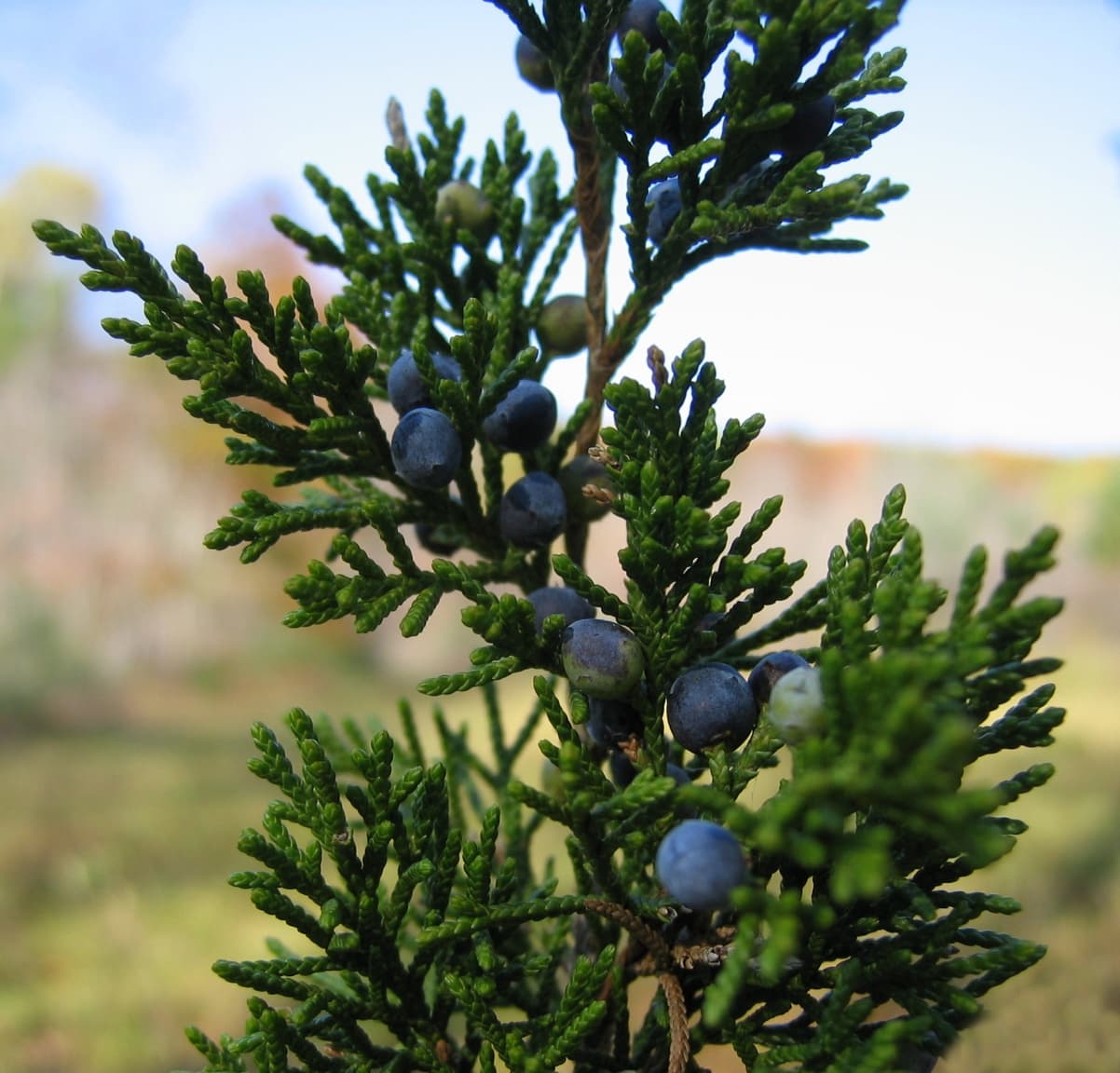
Eastern Red Cedar
Juniperus virginiana
Kansas' only common native evergreen: the backbone of farm windbreaks, winter bird cover, and — where fire no longer runs — an aggressive invader of prairie pasture. In town, a tough screen with two caveats: bagworms and cedar-apple rust.
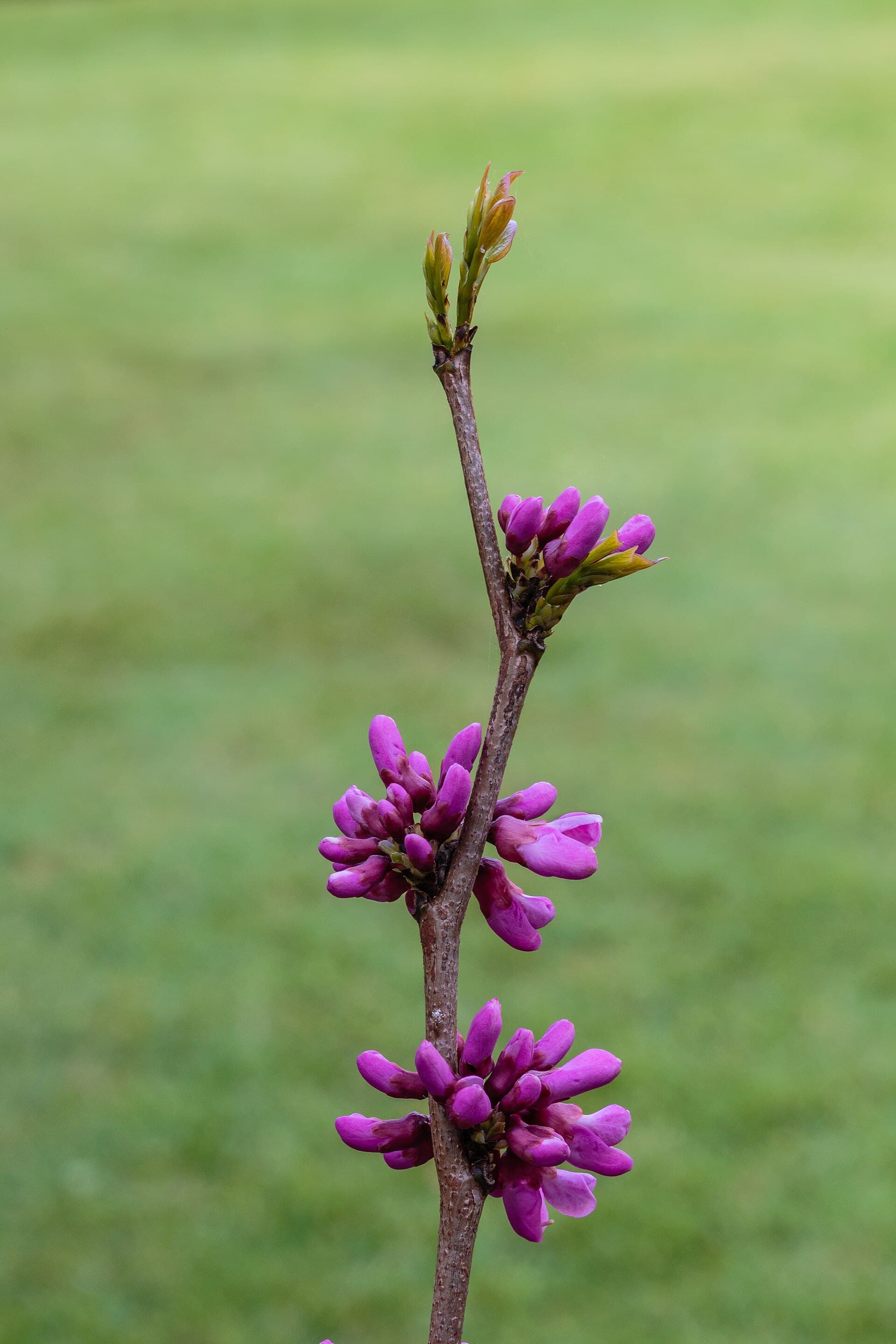
Eastern Redbud
Cercis canadensis
The best small flowering tree for Kansas yards: magenta blooms straight off the bare branches in early spring, a patio-friendly size, and roots that won't hunt your foundation.
What every species profile covers
- Identification: leaves, bark, buds, and seed
- Mature size, growth rate, and lifespan
- Native status and Kansas suitability
- Drought tolerance and soil preferences
- Root behavior near foundations, drives, and sewers
- Storm resistance in wind and ice
- Common pests, diseases, and what they mean
- Placement guidance near homes and utilities
Interactive tools
Answers in minutes, not afternoons
Beyond articles: guided tools that take your specific situation — your tree, your yard, your month — and give you a practical, Kansas-calibrated starting point.
Kansas Tree Identifier
AvailableAnswer a few questions about leaves, bark, seeds, and shape and narrow your tree down to the most likely Kansas species — no botany degree required.
4 questions · about 2 minutes
Tree Health Checklist
AvailableA guided walk-around inspection from the ground: crown, trunk, root flare, and site. Get a plain-language read on which findings matter and what to do next.
10 checks · about 5 minutes
Storm Damage Assessment
AvailableTriage a damaged tree safely from a distance: what's an emergency, what can wait, what's likely saveable, and what to photograph for your insurance claim.
6 questions · use after any storm
Planting Distance Calculator
AvailablePick a species and see how far it should sit from your foundation, driveway, sewer lateral, septic field, property line, and overhead power lines at maturity.
Species + what's nearby
Watering Calculator
AvailableHow many gallons, how often — based on trunk size, how long the tree has been in the ground, and the current stretch of Kansas weather. Stops both underwatering and drowning in clay.
Trunk size + age + season
Seasonal Pruning Calendar
AvailableTell it the species and the month and get a clear answer: prune now, or wait — including the oak-wilt no-prune window every Kansas oak owner should know.
Species + month
What these tools are — and aren't
Kansas tree care calendar
What to do this month
Kansas tree care runs on a schedule — oak-pruning windows, bagworm hatches, drought watering, storm prep. The month-by-month calendar keeps you ahead of all of it. Bookmark it; it's built to be shared.
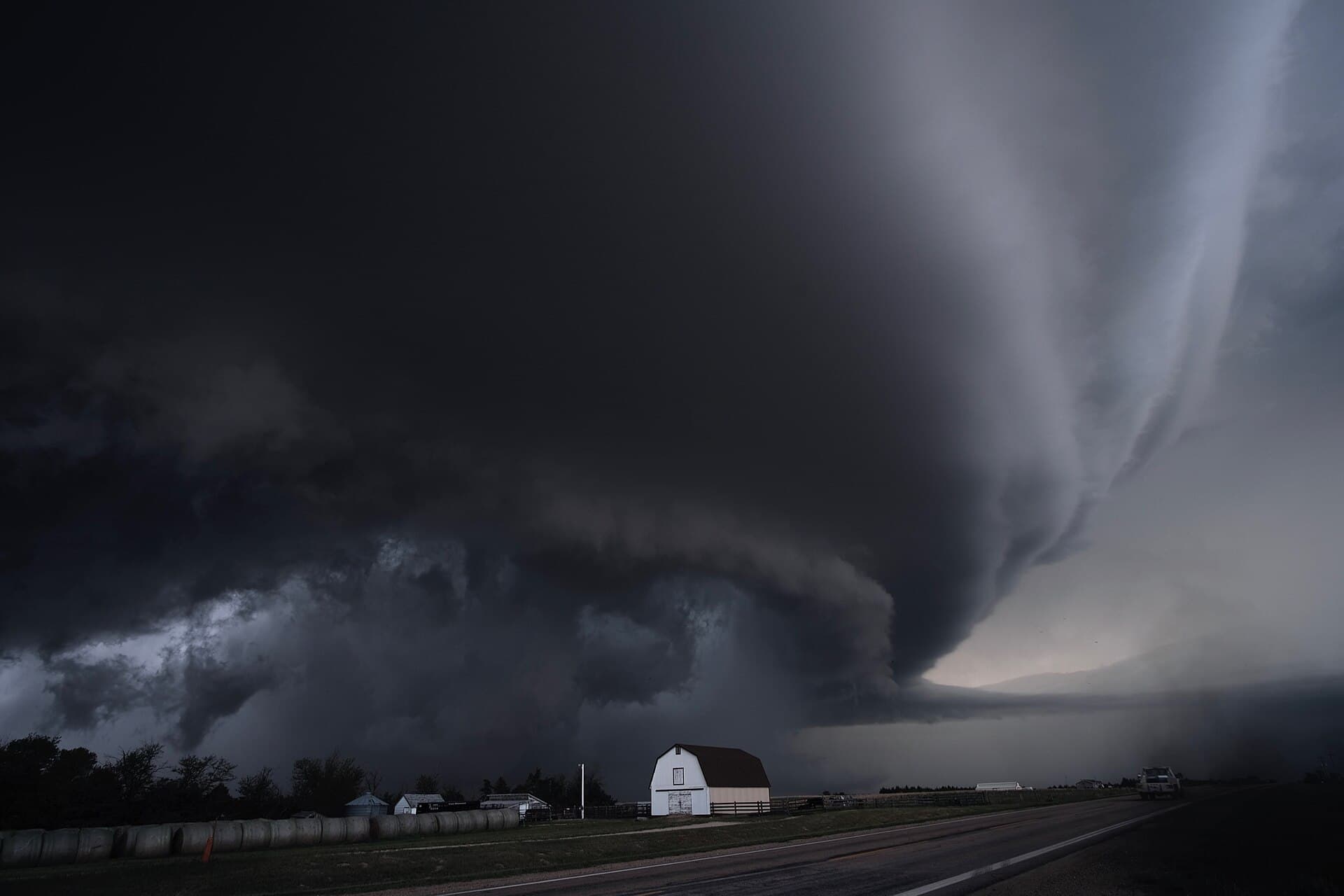
Storm damage & safety
After the storm: safety first, decisions second
Wind, hail, ice, and tornadoes damage Kansas trees in predictable ways — and most storm injuries to people happen after the weather passes. Know the sequence: keep clear, document, then decide.
Do
- Evaluate from a distance first — walk the perimeter, not under the canopy
- Photograph everything before cleanup for your insurance claim
- Check for hanging limbs and cracked forks from the ground
- Rope off the drop zone under any damaged tree
Never
- Never approach a tree touching any wire — treat every line as energized
- Never cut wood that's bent or under tension; it releases violently
- Never work storm damage from a ladder or climb a damaged tree
- Never assume a leaning tree will finish falling on its own schedule
Lines down or in the tree?
Stay far back and call your utility (in Wichita, Evergy) or 911 first — before any tree service. Only after the line is confirmed de-energized is tree work safe to even discuss.
Call a professional immediately when…
- A tree or limb is on a power line, house, or vehicle
- The trunk has split, or a major fork has cracked open
- The tree leans with lifted soil or a raised root plate
- Large limbs hang lodged (“widow-makers”) over areas people use
Storm emergency in the Wichita area?
Hazardous removals, storm response, and professional post-storm inspections are exactly the situations where field experience matters most. Kohnen's Tree Service handles emergency tree work across Wichita and surrounding communities.
When a situation calls for professional help in the Wichita area, we refer readers to Kohnen's Tree Service, a working Kansas tree-care company whose field experience informs this site. That relationship is disclosed here and on our About page.
Kansas & Wichita resources
Made for Kansas, grounded in Wichita
The questions that generic national tree sites answer wrong: local rules, property lines, utility pruning, drought restrictions, invasive species, and our unmistakable clay soil.
Tree removal rules in Wichita
When you can remove a tree on your own property, how street right-of-way trees differ, and where permits come into play.
The tree between sidewalk and street — whose job is it?
Responsibility for the 'parking strip' surprises most homeowners. What maintenance typically falls to you, and what belongs to the city.
My neighbour's tree hangs over my yard
Overhanging limbs, dropped debris, boundary-line trees, and how Kansas courts generally treat self-help trimming.
Trees and power lines
Utility pruning around distribution lines, why line-clearance crews cut the way they do, and what to plant under wires instead.
Storm damage, insurance, and liability
Whose insurance pays when your tree lands on a neighbour's fence, what documentation adjusters want, and the 'act of God' question.
Watering through Kansas drought
Prioritising trees when water is short, drought-stage restrictions, and why a mature shade tree deserves the first gallons.
Invasive trees to watch in Kansas
Callery pear escaping into pastures, Siberian elm in every fence line, and red cedar closing in on unburned prairie.
Wichita's clay, alkaline soil
Why pin oaks turn yellow here, which species genuinely tolerate high-pH clay, and how to plant into it correctly.
Information about laws, city ordinances, insurance, and property responsibilities is general in nature and can change. Confirm details with your city, utility, insurer, or attorney before acting. Where we cover rules and responsibilities, we point to the official source — including K-State Research & Extension, Kansas Forest Service, City of Wichita, Evergy — so you can verify the current version.
From Riverside’s century-old elms to new plantings in Derby and Maize — the same Kansas realities apply: clay soil, open wind, hot summers, and the occasional storm that rearranges a block in twenty minutes.
Who this is for
Built for anyone responsible for a Kansas tree
Most visitors arrive worried about one specific tree. Whether you own it, manage it, sell the house it shades, or planted it last fall — the guidance here is written to get you to a sound decision.
Homeowners
Identify what's in the yard, catch problems early, and know whether that crack is a Saturday project or a phone call.
Property & facility managers
Triage trees across multiple properties, document conditions, and prioritize the work that actually reduces risk.
Real estate professionals
Spot the silver maple over the roof or the dying ash by the drive before closing — and set client expectations accordingly.
Gardeners & landscapers
Species selection, placement distances, and Kansas-calibrated care schedules to stand behind your recommendations.
Serving residential and commercial property across Kansas — with particular depth for Wichita and the surrounding region, where our field experience is concentrated.
Editorial approach
A reference worth trusting has to earn it
Kansas Tree Guide exists to answer tree questions well — not to sell tree work.
Every guide is written against the same standard: what would a careful Kansas homeowner need to see to make a sound decision? We draw on published research from university extension programs and state forestry agencies, and we pressure-test that guidance against what working tree professionals actually see in Kansas yards — the storm failures, the pest timelines, the species that thrive and the ones that quietly struggle in our soil.
When professional help is the right answer, we say so plainly, and for the Wichita area we tell you who we’d call. That relationship is disclosed — never hidden inside “objective” advice.
Our standards, on every page
- A clear answer near the top of every guide — before the background
- Kansas-specific: our soil, our weather, our species mix
- Field-informed by working Kansas tree professionals
- Sourced to extension research, state agencies, and arboriculture organizations
- Plain about uncertainty — and about when you need on-site eyes
- Relationships disclosed; corrections welcomed and published
Content last reviewed August 2026.
Kansas Tree Guide is an independent educational resource. Nothing on this site replaces an on-site assessment by a qualified arborist or tree-care professional.
Common questions
Answers before you even ask
- Is Kansas Tree Guide a tree service?
- No. Kansas Tree Guide is an independent educational resource — we don't sell tree work. Our guidance is informed by working Kansas tree professionals, and when a situation genuinely calls for hands-on help in the Wichita area, we refer readers to Kohnen's Tree Service and disclose that relationship plainly.
- How do I identify a tree in my Kansas yard?
- Start with the species library: profiles of the trees most common in Kansas yards and windbreaks, organized by leaf shape, bark, seeds, and overall form. Note two or three features — leaf outline, bark texture, anything it drops — and compare. A guided Kansas tree identifier tool is in the works to make this even faster.
- My tree suddenly looks bad. What should I do first?
- Work from what you can see. Our symptom guides cover the most common observations — yellowing leaves, a thinning top, mushrooms at the base, cracks, lean — and rank how urgent each one usually is. Inspect from the ground only, note what changed and when, and if anything involves cracks, hanging limbs, or a new lean, treat it as urgent and keep people clear.
- Do the interactive tools give me a diagnosis?
- No — and that's deliberate. The tools provide general education based on your answers. They can't see your tree, test the wood, or evaluate the site, so they're never a diagnosis or a safety inspection. When your answers point toward a potentially hazardous condition, the tools say so and recommend a qualified on-site professional.
- Who is responsible for the tree between the sidewalk and the street?
- It varies by city, and it surprises people: in many Kansas communities the adjacent homeowner maintains trees in the right-of-way strip even though the city owns it. Our Kansas resources hub covers how this typically works in Wichita and what to confirm with your city — as general information, not legal advice.
- When should I call a professional immediately?
- Anything touching or near power lines — stay far back and call the utility first. Beyond that: a new lean with lifted soil, a major crack through the trunk or a big fork, limbs hanging over places people go, or a tree down on a structure. For hazardous situations in the Wichita area, Kohnen's Tree Service handles storm response and emergency work at (316) 207-7970.
Know your trees — and know when to make the call
Most tree questions end with a confident homeowner and a healthier tree. A few end with a professional and a chainsaw — and knowing which is which is the whole point of this site.
When a situation calls for professional help in the Wichita area, we refer readers to Kohnen's Tree Service, a working Kansas tree-care company whose field experience informs this site. That relationship is disclosed here and on our About page. If a tree involves power lines, call your utility or 911 before anyone else.