
Boxelder
Acer negundo
A maple that does not look like one. Compound leaves and a talent for growing anywhere have made boxelder the volunteer tree of Kansas alleys and fence lines — and the source of the black-and-red bugs that cover south-facing walls every October.
- Height
- 35–50 ft
- Spread
- 35–50 ft
- Lifespan
- 60–75 yr
- Growth
- Fast
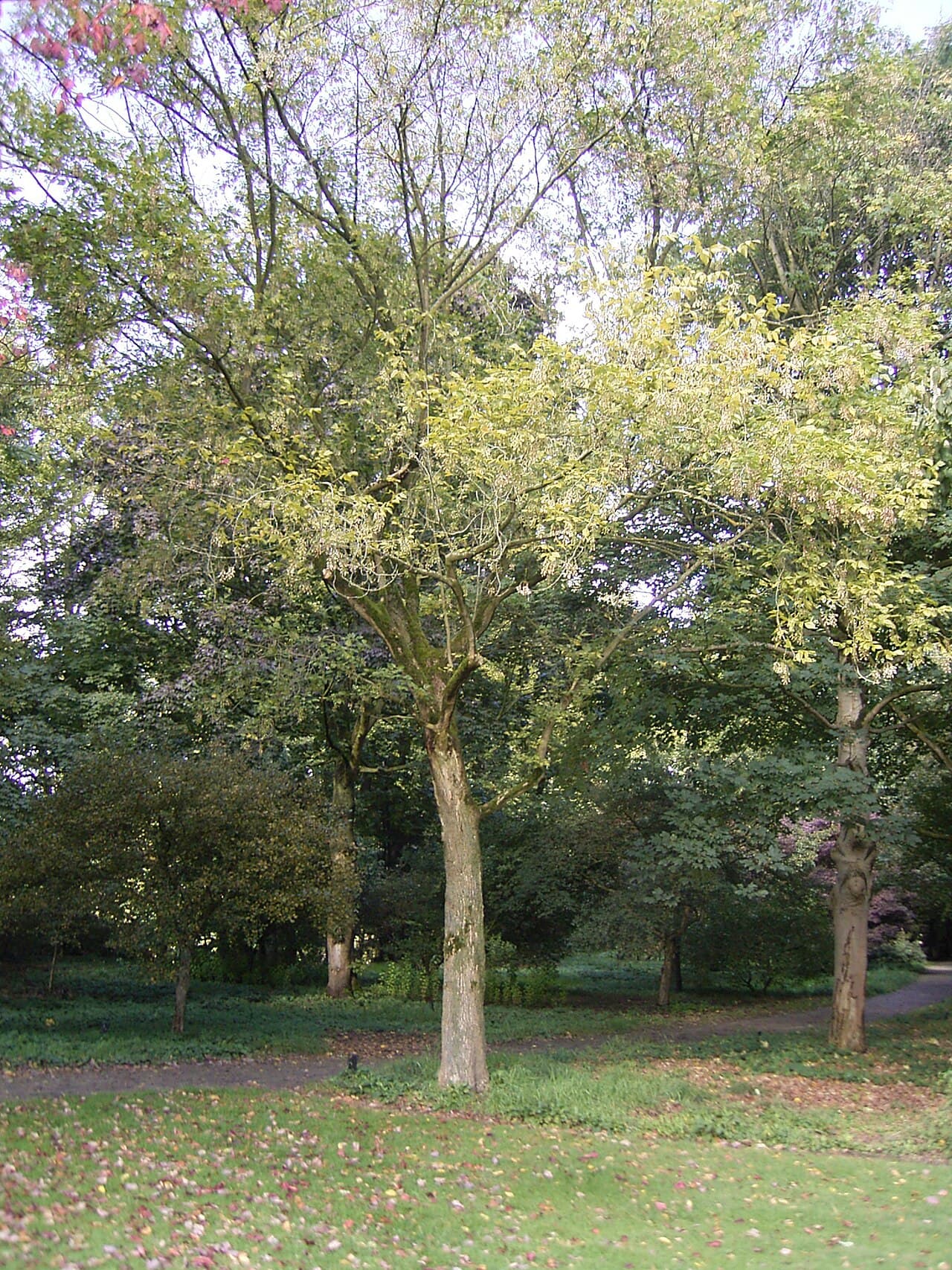
Identification
What to look at
Three features settle most identifications: the bark on the trunk, the leaf in your hand, and whatever the tree is dropping.
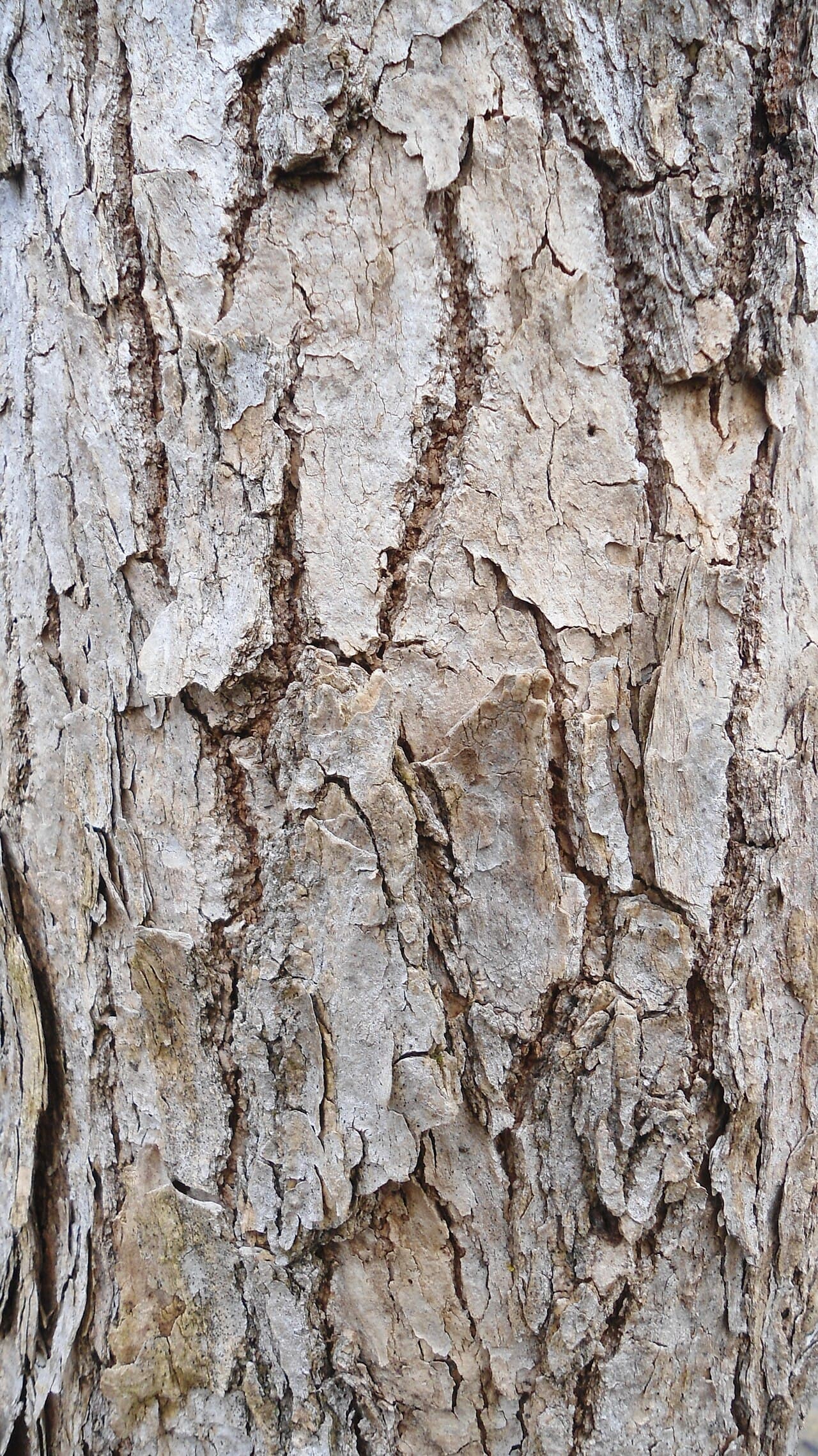
The barkThin, shallow ridges that never form a clean pattern. 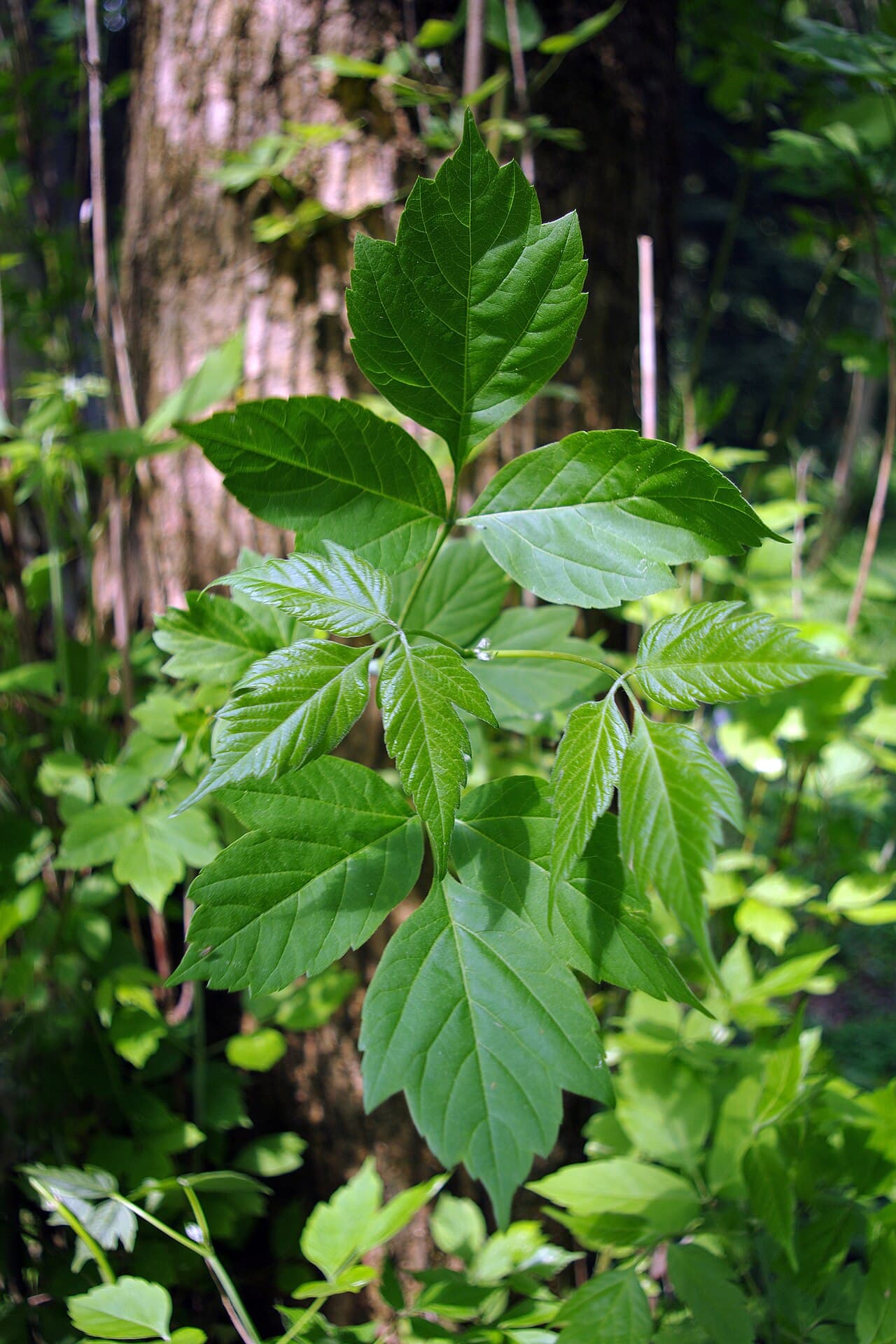
The leafUsually three leaflets, coarsely toothed and often irregularly lobed — people mistake it for poison ivy. 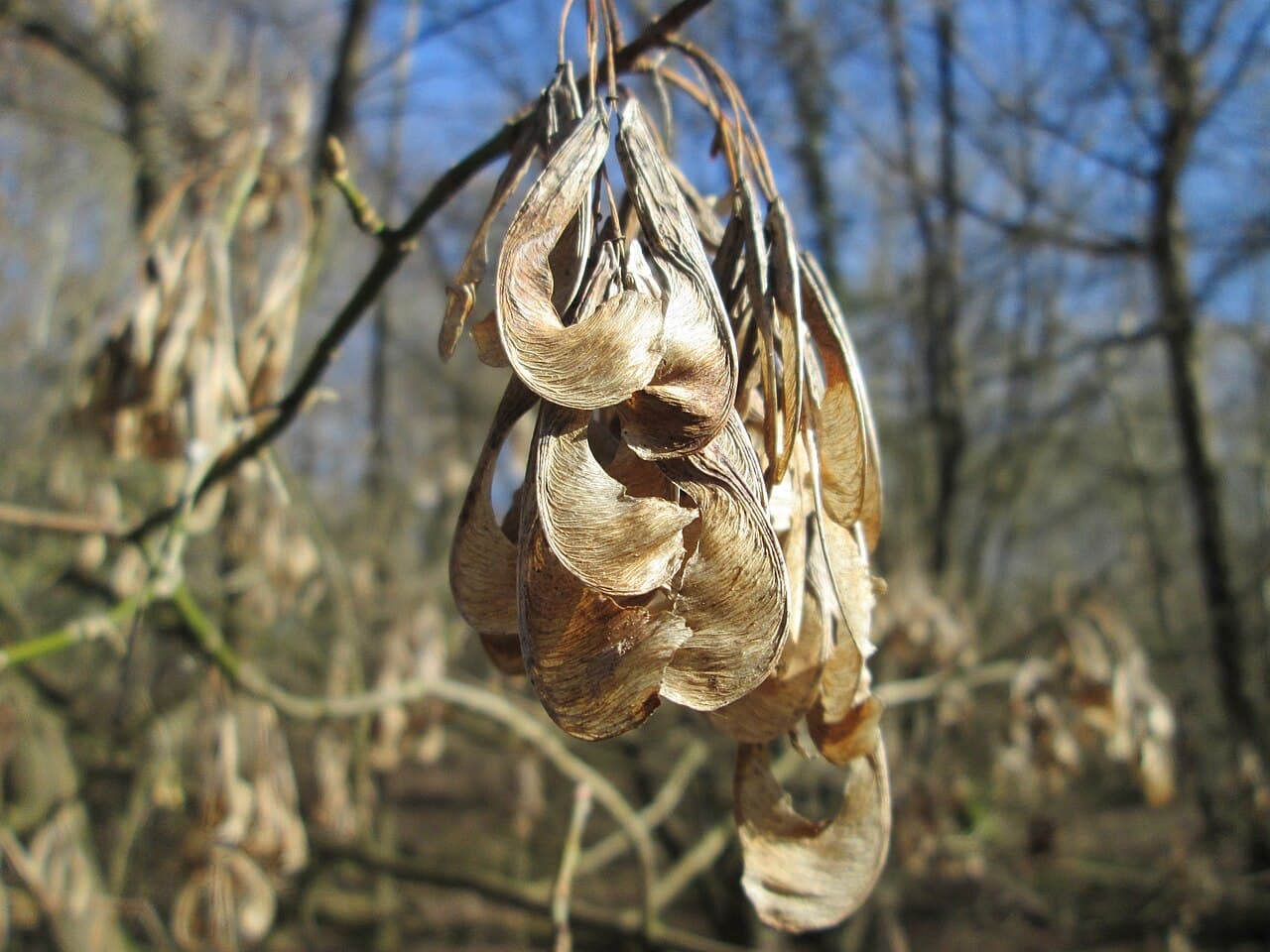
The seedPaired V-shaped wings in long chains — proof it is a maple, not an ash.
How to identify it
- Compound leaves, usually three leaflets, often irregularly lobed
- Twigs green to purple, frequently coated in a whitish waxy bloom
- Paired V-shaped winged seeds hanging in long chains into winter
- Leaves and twigs arranged opposite one another
Where it grows
- Native range
- Native throughout Kansas and most of North America — the most widely distributed maple on the continent, and a determined volunteer in any corner left unmowed for two seasons.
- Soil
- Anything, especially disturbed and seasonally wet ground. It colonizes bare soil faster than almost any other Kansas tree.
- Sunlight
- Full sun to part shade
- Drought & heat
- High drought tolerance, high heat tolerance.
Native, but rarely welcome. It is worth identifying correctly for one reason: boxelder is a maple, so an emerald ash borer treatment quoted for a dying 'ash' in your yard may be aimed at entirely the wrong tree.
Root behavior
Shallow and fibrous, competing hard with lawn and nearby plantings but not usually damaging to structures.
Storm and branch-failure risk
Poor. Weak wood, frequent co-dominant stems, and generally poor form mean it sheds limbs readily in Kansas wind and ice.
Overall storm resistance: Poor. Assessing damage after a storm
Kansas pests and diseases
Boxelder bug
ManageableThe black-and-red bugs that blanket sunny walls in autumn and find their way indoors. They feed mainly on the seeds of female boxelders, so the nearest seed-bearing tree is usually the source. They damage nothing — they are purely a nuisance.
Weak structure
SeriousNot a pest, but the reason arborists rank it low. Co-dominant stems with bark trapped in the union fail in ordinary Kansas storms.
Immune to emerald ash borer
CosmeticBoxelder is a maple despite its ash-like compound leaves. That matters practically: a compound-leaved tree declining in your yard is worth identifying correctly before anyone quotes an EAB treatment for it.
Full profiles in the pest library
Photographs, seasonal timing, treatment options, and the point past which the tree cannot be saved.
Seeing something not listed here? Work from the symptom instead
Pruning
Best windowDormant season — November through February
Deadwood removal, mostly. Structural investment rarely pays off on a tree with this little long-term value; if it is well placed, keep it clean, and if it is badly placed, replace it.
Planting near homes
Avoid. Beyond weak wood, female trees feed the boxelder bugs that mass on sunny south and west walls each fall and work their way indoors.
When removal may be necessary
- It is a volunteer growing against a foundation, fence, or outbuilding — remove it while small
- Weak unions or decay have made it a hazard over a house, drive, or play area
- Boxelder bugs are a recurring problem indoors and a nearby female tree is the source
Removal is a judgment call about risk, not a formula. A tree with one of these conditions over open lawn is a very different situation from the same tree over a driveway — and that judgment needs someone on site.
Kansas Tree Guide is an independent educational resource. Nothing on this site replaces an on-site assessment by a qualified arborist or tree-care professional. Last reviewed August 2026.